From offer to keys
The short version
Contracts often set closing 30 to 45 days after the offer is accepted. Here is what happens in between:
- Accepted offer. You deposit earnest money where the contract says and send us the signed contract.
- Application, documents and credit. You send the application documents, we pull your credit with your permission, and you get a Loan Estimate within three business days of the application.
- Approved, then the lock. We structure the loan and the automated underwriting system approves it. From then on the rate can be locked: when you are ready and the numbers look right, we lock.
- Inspection. You learn the home's condition and can ask for repairs or a credit by your inspection deadline.
- Appraisal. The lender orders it to confirm the value supports the price.
- Underwriting. The lender reviews everything and may ask for updated pay stubs, statements or letters.
- Clear to close. You receive your Closing Disclosure at least 3 business days before closing.
- Closing. You sign, the money moves, the deed records, and you get the keys at the possession time in your contract.
Rural property adds steps that buyers in town skip: a water test, a septic inspection, a survey or improvement location certificate, and a look at well permits and water rights. Each has its own contract deadline, and results can take a week or more, so order them the day your offer is accepted.
Go deeper
Your contract deadlines
Colorado's standard purchase contract gives each step its own date. The ones that touch your loan include:
- New Loan Application Deadline
- New Loan Terms Deadline and New Loan Availability Deadline
- Appraisal Deadline and Appraisal Objection Deadline
- Inspection Objection Deadline
- Property Insurance Termination Deadline
- Closing Date
Many of these are the last day to object or walk away on that issue. If you miss one, you can lose that right, and sometimes your earnest money. Send us the contract the day it is signed, and ask your agent to walk you through each date.
Who does what
| Who | Their job |
|---|---|
| You | Send documents promptly, keep your finances steady, choose homeowner's insurance |
| Your agent | Tracks contract dates, negotiates inspection items |
| Your Mortgage Broker | Manages the loan, the lock, the appraisal order and the approval |
| Appraiser | Confirms the value for the lender |
| Inspector | Reports on the home's condition for you |
| Title company | Searches title, issues title insurance, runs the closing and moves the money |
What slows a closing down
- Late documents. Each request that waits a few days pushes everything behind it.
- Appraisal timing. Scheduling can take time, and FHA, VA and USDA appraisals may call for repairs before closing.
- Title issues. Old liens, unclear easements or boundary questions take time to clear.
- Insurance. Some homes are harder to insure, and the lender needs a policy in place before closing.
- Changes. A new job, new debt or a large unexplained deposit can send the file back to underwriting.
Ordering early and responding quickly keeps these delays from adding up.
See it with your numbers
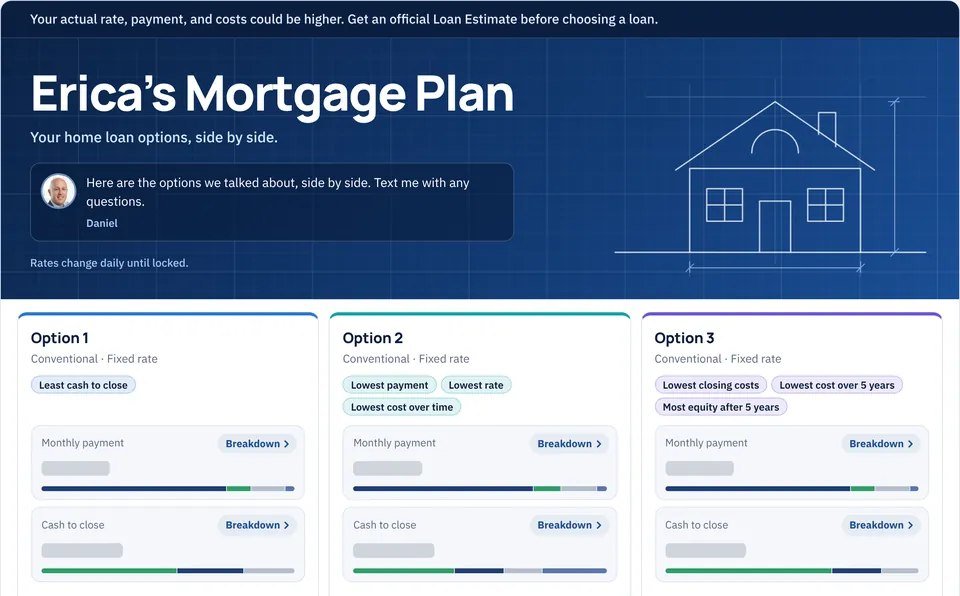
Your Mortgage Plan shows how each option's payment would change if the rate moves before you lock, so you can time your lock against the contract.
Already have a Mortgage Plan? Open your link, or text Daniel.
Back in your Mortgage Plan, see this with your own numbers.