
Contractors, bids and draws
The short version
A renovation loan depends on two things: a solid bid before closing and draws after closing.
- Itemized bids: line by line, with materials and labor, signed before closing.
- Licensed and insured: where the state or county requires it, with proof the lender can review.
- Contingency reserve: extra money set aside for unexpected costs. Unused funds usually go toward your loan balance.
- Draws: repair funds are held in an account and paid out as work is finished and inspected.
- Deadlines: Limited 203(k) work must finish within nine months, Standard 203(k) within 12, HomeStyle within 15 and CHOICERenovation within 450 days.
Most programs limit work you do yourself. Ask us before you plan on it.
Contractors in Southwest Colorado book months ahead for the building season, and snow can stop exterior work. It helps to gather bids early, allow for weather in the schedule, and choose a loan whose deadline gives you enough time. If the project starts in the fall, a 12- or 15-month window can matter more than you might expect.
Go deeper
What a good bid looks like
- Each job listed separately, with materials and labor
- Who obtains the permits, and which ones
- A start date, a finish date and the order of work
- A payment schedule tied to completed stages rather than dates
- License, insurance certificate and tax form for the lender
Get two bids for large jobs. The lender and appraiser review the bid, and the appraiser values the home as if the work is complete. A vague bid slows the process. A bid far below the others should be treated as a warning sign.
How draws work
At closing, repair funds go into an account. As each stage is finished, an inspector confirms the work and the contractor is paid. Each of these payments is called a draw.
- HomeStyle: up to half of the planned costs can be paid in a first draw, for items such as materials and permits. Later draws follow finished work and inspections, paid by joint check or by wire with your written approval.
- Standard 203(k): a HUD consultant documents the work and inspects each draw. Consultant fees are capped by HUD.
Lien waivers at each draw show that the contractor has paid suppliers, so no one can place a claim on your home later.
Contingency and change orders
A contingency reserve covers unexpected issues found once walls are opened. HomeStyle does not require one on a single-unit home, although the lender may add one. On two to four units, it is 10% of the costs, up to 15% for larger jobs. FHA sets its own range.
A change order is a written change to the plan. It requires approval before the work begins, and it can carry a fee. Unapproved changes are a common reason draws are delayed.
Doing some of the work yourself
FHA allows some self-help work under a written agreement, with each item named in advance. You are paid for materials but not for your own labor. Other programs limit it or do not allow it.
Even when it is allowed, your work is inspected like a contractor's, and the deadline still applies. Before taking on a job that could delay the next draw, be realistic about your time, tools and skills.
See it with your numbers
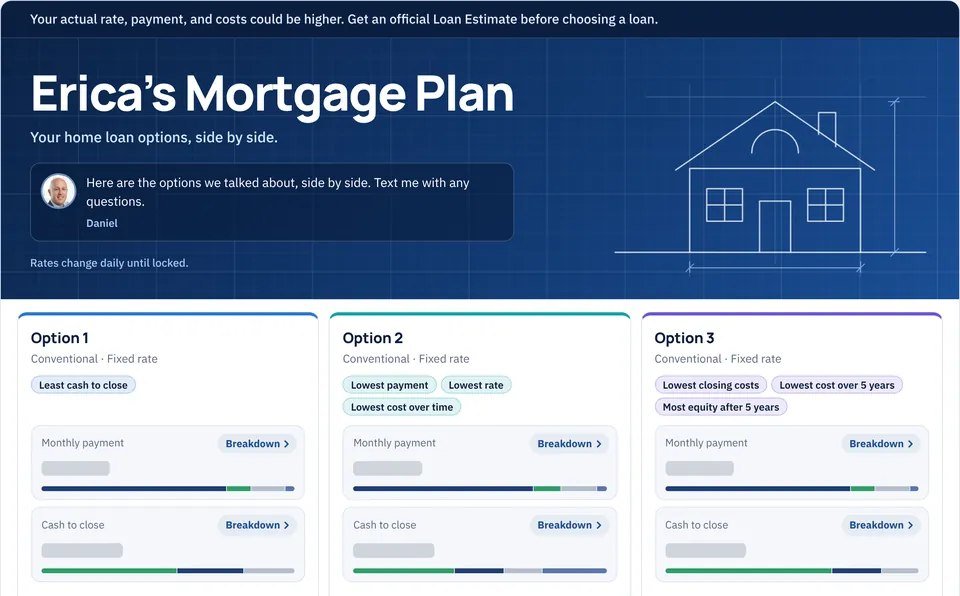
Your Mortgage Plan shows the payment and cash to close for a renovation option beside any other option you are weighing.
Already have a Mortgage Plan? Open your link, or text Daniel.
Back in your Mortgage Plan, see this with your own numbers.
Your next step
Stage 5: ClosingCash to close, explainedCash to close is your down payment, closing costs and prepaids, minus your deposit and any credits. Confirm wire instructions by phone before you send it.Read the lessonOr go another way: Compare renovation loans