A 90-day credit plan
The short version
Most credit improvements are simple and free. You can start now, even if you plan to buy next year.
- Request your reports. All three bureaus offer free weekly reports at annualcreditreport.com. Look for accounts you do not recognize and late payments reported in error.
- Dispute errors. Write to the bureau and to the company that reported the item. Corrections can take a month or more.
- Pay every bill on time. Set up automatic minimum payments so no payment is missed.
- Pay down card balances. Start with the card closest to its limit. Keep older cards open, because their age helps your score.
- Avoid new credit. Wait until after you close to finance a car, open a card or use store financing.
- Ask us before paying old collections. Paying them does not always raise a mortgage score, and the cash may be more useful elsewhere.
If you plan to buy in Southwest Colorado within the next year, we can review your credit with you before any application and show which changes would improve your loan options the most.
Go deeper
How to dispute an error
Send a written dispute to each bureau that shows the mistake. Explain what is wrong and why, and include copies (not originals) of anything that supports your dispute. Also send one to the company that reported it, such as the card issuer or lender. That company generally must investigate within 30 days.
Keep copies of everything. Once an item is corrected, you can ask the bureau to send the update to anyone who recently requested your report. If you are applying soon, let us know so we can plan around the timing.
Paying cards down the smart way
Card balances are usually reported once a month, on the statement date. A payment made after that date will not appear until the next statement. To lower the balance that is reported, pay before the statement closes.
The balance on each card and your total balance compared with all your limits both matter. If you cannot pay everything down, start with the cards near their limits. Keep paid-off cards open, because closing one lowers your total available credit and raises your overall usage.
After a bankruptcy or foreclosure
Fannie Mae sets these waiting periods for conventional loans:
| Event | Standard wait |
|---|---|
| Chapter 7 bankruptcy | 4 years from discharge or dismissal |
| Chapter 13 bankruptcy | 2 years from discharge, 4 from dismissal |
| Foreclosure | 7 years |
| Short sale or deed-in-lieu | 4 years |
Shorter waiting periods can apply when the event was caused by documented circumstances outside your control. FHA, VA and USDA waiting periods are generally shorter. Every lender wants to see re-established credit and on-time payments since the event.
You do not need to pay for credit repair
No company can remove accurate negative information from your report. Its effect fades with time. Most negative items are removed after seven years, and bankruptcies after ten. Credit repair companies cannot legally charge you before they do the work. Any offer of a new credit identity is a scam.
You can do everything in this plan yourself for free. We can also review your report with you before you apply and point out the changes that would matter most.
See it with your numbers
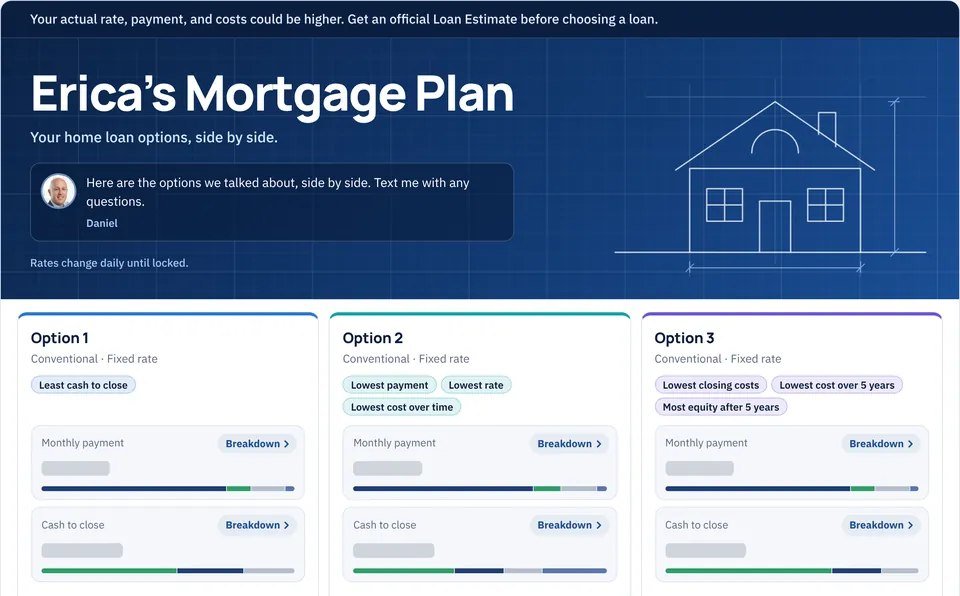
Your Mortgage Plan starts from the score range you share with Daniel, and it is updated once he orders your credit report with your permission.
Back in your Mortgage Plan, see this with your own numbers.